
Introduction
The global smartphone market is more competitive than ever, with Apple and Samsung continuing their long-standing rivalry. In 2025, the release of the iPhone 17 series and the Samsung Galaxy S25 series provided a fresh comparison point. Surprisingly, the iPhone 17 series has struggled to gain strong sales momentum, while the Galaxy S25 lineup has outperformed expectations.
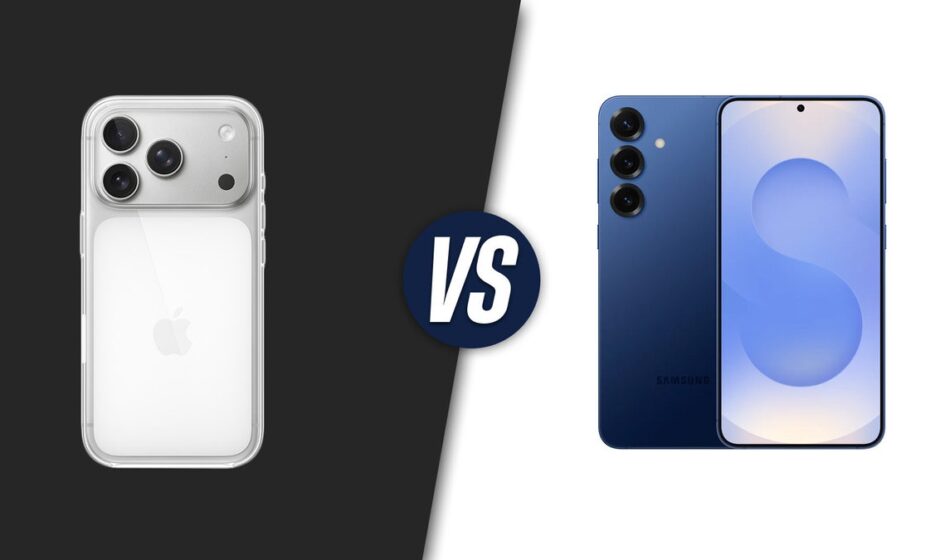
This blog examines why the iPhone 17 series underperformed and compares its results directly with Samsung’s S25 series.
Samsung Galaxy S25: A Strong Start
Samsung’s Galaxy S25 lineup launched to remarkable success:
- Over 22 million units sold within the first six months of release.
- In South Korea, shipments reached 3 million units, hitting the milestone two months earlier than the previous Galaxy S24.
- Pre-orders surpassed 1.3 million units in South Korea, representing a 10% increase compared to the S24 series.
- Sales exceeded the S24 series by more than 2 million units during the same time frame.
The strong numbers indicate that Samsung struck the right balance between design, performance, and consumer expectations.
iPhone 17: A Softer Market Response
Apple’s iPhone 17, despite its premium branding, faced several obstacles that dampened early sales performance:
1. Delayed Apple Intelligence Features
A major selling point of the iPhone 17 series was “Apple Intelligence,” Apple’s new AI-driven features. However, delays in rolling out the technology diminished excitement and reduced the incentive for consumers to upgrade.
2. Design Criticism
The iPhone 17 Pro models received criticism for their bulky camera island and polarizing color options. For many users, the design lacked the elegance and refinement they expected from Apple.
3. Battery and Regional Discrepancies
Battery life concerns arose in certain markets due to design differences between eSIM-only and physical SIM models. Customers in some regions reported reduced performance, further denting consumer confidence.
4. Weakness in the Chinese Market
China, once a stronghold for Apple, has seen Apple lose ground to domestic competitors. Regulatory challenges and the delayed rollout of new features made the iPhone 17 less attractive in this critical market.
Direct Comparison: iPhone 17 vs. Galaxy S25
| Category | Samsung Galaxy S25 | Apple iPhone 17 |
|---|---|---|
| Sales Momentum | Over 22 million units in 6 months; record-breaking pre-orders | No comparable record milestones; weaker demand |
| New Features | Slimmer design, faster performance, integrated AI features | Apple Intelligence delayed; mostly incremental hardware upgrades |
| Market Reception | Generally positive reviews for design and features | Mixed feedback, especially regarding design and battery performance |
| Regional Performance | Strong success in home markets and globally | Struggled in China and faced regional battery inconsistencies |
| Upgrade Incentive | Clear improvements over S24, strong marketing | Consumers see little difference from iPhone 16, less urgency to upgrade |
Why the S25 Outshone the iPhone 17
- Clearer Value Proposition – The Galaxy S25 series delivered visible improvements in performance, design, and AI features.
- Aggressive Marketing – Samsung positioned the S25 as a futuristic device with competitive trade-in offers and subscription bundles.
- Meeting Consumer Expectations – By addressing previous shortcomings, Samsung convinced users that the upgrade was worthwhile.
In contrast, Apple’s iPhone 17 series suffered from delayed features, divisive design choices, and a lack of breakthrough innovations. Consumers who already owned the iPhone 15 or 16 series felt little urgency to upgrade.
Conclusion
The contrast between the iPhone 17 and Galaxy S25 series highlights a key truth in the smartphone market: innovation and timing are everything. Samsung captured consumer interest with meaningful updates and efficient execution, while Apple’s incremental changes and delays reduced demand.
For Apple to regain momentum, it must accelerate the rollout of promised features, address regional issues, and ensure that future models offer enough visible improvements to justify their premium price.
Samsung’s success with the S25 shows how quickly consumer loyalty can shift when one company consistently meets—and exceeds—expectations.