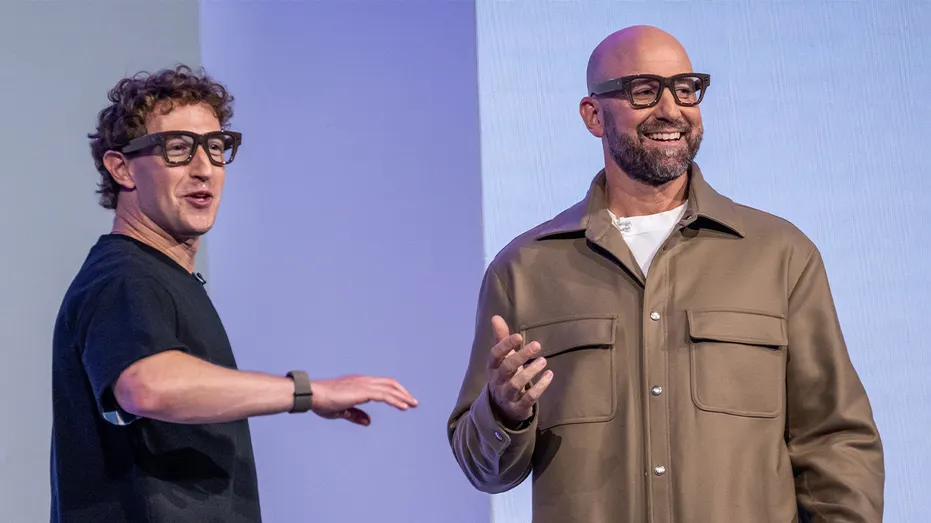

Introduction: The High-Stakes Meta Connect 2025 Event
Meta Connect 2025 was supposed to be a landmark event for the company, showcasing the next generation of Meta smart glasses—a device positioned as a bridge between augmented reality (AR) and everyday life. But instead of a flawless presentation, the world witnessed a live demo gone wrong. The failure quickly became the main story, raising questions about Meta’s readiness in the wearables race.
Meta’s Vision for Smart Glasses
Meta has long envisioned AR glasses as the future of personal computing. Unlike bulky VR headsets, smart glasses promise a seamless way to blend digital interactions with the physical world.
How Meta Smart Glasses Evolved Over the Years
- Ray-Ban Stories (2021): Meta’s first experiment, focused on cameras and audio.
- Next-gen prototypes (2023–2024): More immersive displays and voice assistant integration.
- 2025 model: Promised real-time AI translations, smarter navigation, and advanced AR overlays.
Key Features Showcased in 2025
- AI-powered real-time assistance.
- Enhanced camera and AR overlay capabilities.
- Improved comfort and style for daily use.
The Demo Failure That Stole the Spotlight
Instead of wowing the crowd, the live demo froze, stuttered, and failed to deliver key functions.
What Happened During the Live Presentation
At the peak of excitement, the smart glasses failed to load certain features, leaving the presenter visibly frustrated. The silence in the audience spoke volumes.
Audience and Media Reactions
Tech journalists were quick to compare the mishap to other infamous demo fails. Social media turned the incident into memes within minutes.
Meta CTO Andrew Bosworth Explains the Real Cause
After speculation that bad Wi-Fi was to blame, Meta CTO Andrew Bosworth set the record straight.
Busting the “Wi-Fi Failure” Myth
Bosworth confirmed that Wi-Fi was not the culprit, despite what many assumed.
The Self-Inflicted DDoS Problem
The real issue came from Meta’s own servers. The sheer number of simultaneous demo requests overloaded their system—essentially, a self-inflicted DDoS attack.
A Rare Bug That Made Things Worse
Adding fuel to the fire, a rare software bug compounded the problem, causing total failure during the showcase.
Why Tech Demos Fail (and Why This Matters)
The Nature of Live Tech Demonstrations
Live demos are risky. Even big tech companies face unpredictable failures when showcasing cutting-edge products under pressure.
Famous Examples of Demo Fails in Tech History
- Bill Gates’ infamous “Blue Screen of Death” on stage.
- Elon Musk’s Cybertruck “unbreakable glass” mishap.
- Apple’s Wi-Fi overload during an iPhone launch.
These incidents show that even industry leaders aren’t immune.
The Bigger Picture: What This Means for Meta’s Strategy
Challenges Facing AR Smart Glasses Adoption
- Battery life limitations.
- Balancing style with technology.
- Privacy concerns about cameras in public spaces.
Why Meta Is Still Betting Big on Wearable AR
Meta believes AR smart glasses are the true gateway to the metaverse, offering an alternative to bulky headsets.
Industry Reactions and Expert Insights
How Competitors Like Apple and Google Are Responding
Apple is rumored to be working on lightweight AR glasses, while Google continues its quiet but steady AR research. Meta’s stumble may give rivals breathing room.
Consumer Confidence and Market Impact
While the failure made headlines, most analysts agree that a demo mishap won’t define the product’s long-term success.
The Road Ahead: Can Meta Recover from the Demo Fail?
Upcoming Software and Hardware Fixes
Meta has already promised patches and performance upgrades before launch.
How Meta Plans to Regain Trust
- More controlled demos.
- Stronger infrastructure for live events.
- Transparent communication with users.
FAQs on Meta Smart Glasses at Meta Connect 2025
Q1: Did Meta smart glasses fail because of bad Wi-Fi?
No. According to Meta’s CTO, the real cause was server overload and a rare software bug.
Q2: What features do the new Meta smart glasses offer?
They include AI-powered assistance, AR overlays, and real-time translation features.
Q3: Will this failure delay the product launch?
Meta hasn’t announced any delays. The company is working on fixes before launch.
Q4: How do Meta smart glasses compare to Apple’s rumored AR glasses?
Meta’s glasses are ahead in AI integration, but Apple may focus more on seamless hardware design.
Q5: Are smart glasses safe for everyday use?
Yes, but privacy concerns remain since they often include cameras and microphones.
Q6: Will people still buy Meta smart glasses after this failure?
Analysts believe the failure won’t significantly impact long-term sales if Meta delivers on promised features.
Conclusion: A Temporary Setback or a Turning Point?
The Meta smart glasses demo fail at Meta Connect 2025 was embarrassing, but not catastrophic. If anything, it highlights the risks of innovation and the challenges of live demos. For Meta, the real test isn’t whether a presentation succeeds—it’s whether they can deliver a product that transforms how we interact with the digital world.