
The Growing Problem of Myopia in Children
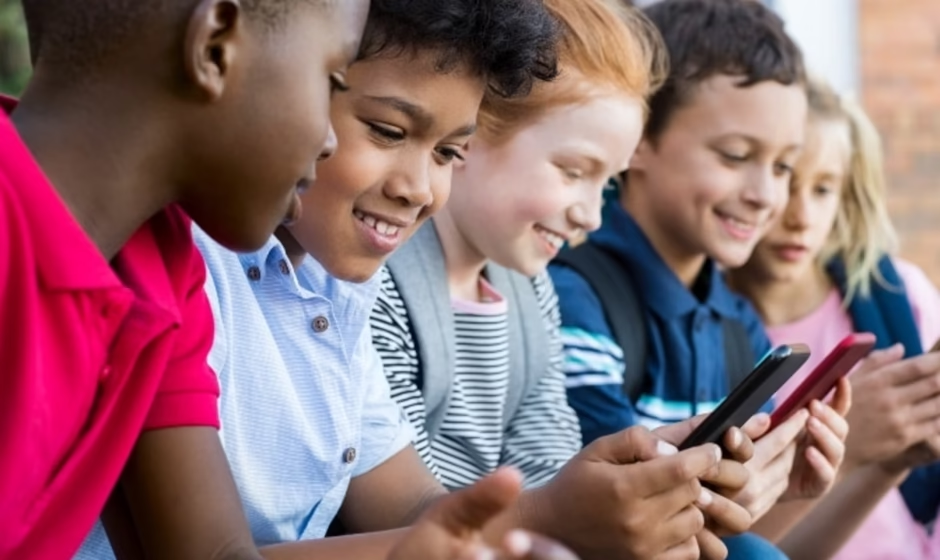
Myopia, or nearsightedness, is becoming one of the most common vision problems in children worldwide. A recent study in the UAE revealed an alarming increase in cases, particularly among schoolchildren under 10. Experts link this surge directly to excessive screen time and reduced outdoor play.
Globally, it’s estimated that nearly half the world’s population will be myopic by 2050. In the UAE, the risk is amplified by lifestyle habits — long school hours, indoor activities, and heavy reliance on digital devices.
Why Screen Time Puts Kids at Risk
Children’s eyes are still developing, making them more vulnerable to damage from prolonged close-up focus. Digital classrooms, online entertainment, and mobile devices keep kids staring at screens for hours daily.
Doctors warn that this overexposure leads to eye strain, blurred vision, and faster progression of myopia. Even one extra hour of daily screen use can raise the risk significantly.
The UAE Challenge: Lifestyle and Environment
The UAE’s hot climate often limits outdoor activities, pushing children indoors with tablets and TVs. Without enough natural light exposure, kids’ eyes struggle to develop properly. Combined with urban living and high academic demands, this creates the perfect storm for rising myopia rates.
Health Risks of Untreated Myopia
If not managed early, myopia can affect more than just school performance. Children may struggle to see the board, leading to poor grades and frustration. Long-term risks include serious eye diseases like glaucoma, cataracts, and retinal detachment later in life.
How to Protect Children’s Eyesight
- Limit screen time: Follow WHO guidelines — under 1 hour daily for kids under 5, and balanced use for older children.
- Encourage outdoor play: At least 90 minutes a day in natural light helps protect against myopia.
- Adopt healthy digital habits: Use the 20-20-20 rule — every 20 minutes, look at something 20 feet away for 20 seconds.
- Support eye health with nutrition: Foods rich in vitamins A, C, E, and omega-3s promote strong vision.
- Schedule regular eye check-ups: Early detection ensures timely correction and reduces long-term risks.
FAQs on Myopia and Screen Time
1. Can screen time really cause myopia?
Yes, prolonged near work like screen use increases the risk of nearsightedness.
2. How much outdoor time should kids get?
At least 90–120 minutes daily is recommended.
3. When should a child’s first eye test be?
Around 3–5 years old, with yearly exams after starting school.
4. Can myopia be reversed?
No, but its progression can be slowed with healthy habits and treatment.
5. What signs suggest a vision problem in kids?
Squinting, sitting close to screens, frequent headaches, or eye rubbing.
Conclusion
The surge in myopia among UAE schoolchildren is a serious health concern — but not an unavoidable one. By balancing screen use with outdoor play, encouraging eye-friendly habits, and ensuring regular check-ups, parents and schools can protect children’s vision.