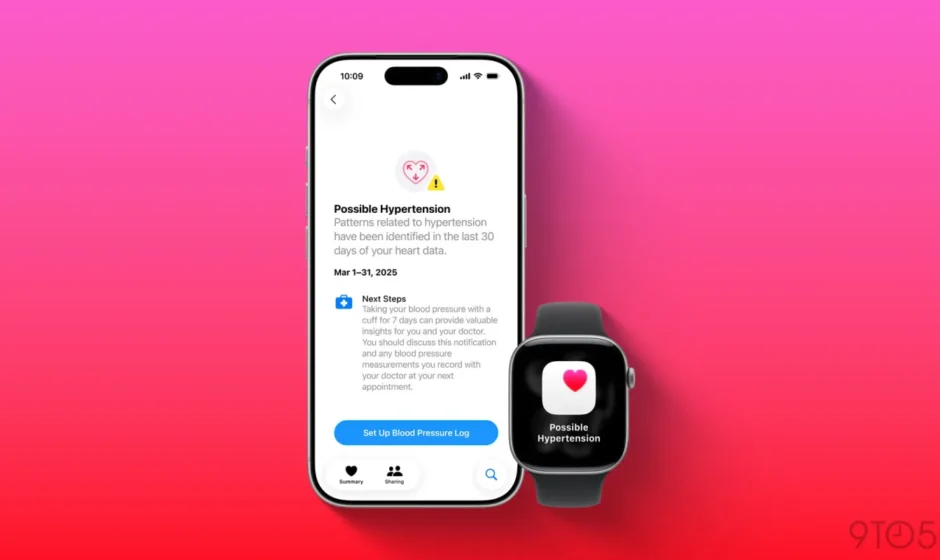

Apple Watch’s New Health Feature
Apple is taking another step into preventive healthcare with its latest hypertension alerts feature for the Apple Watch. With over one million users expected to receive a “Possible Hypertension” notification in the next year, this update could prove life-saving. But what do these alerts actually mean, and what should you do if you receive one? Let’s break it down in simple terms.
What is Hypertension and Why It Matters
Hypertension, or high blood pressure, is often called the “silent killer.” That’s because most people don’t feel symptoms until major health problems develop. Left unchecked, hypertension can lead to heart disease, stroke, kidney failure, and more. Early detection is the key—and that’s exactly where the Apple Watch steps in.
How the Apple Watch Detects Hypertension
Many people assume that the Apple Watch measures blood pressure directly, but it doesn’t—at least, not yet. There are no built-in blood pressure sensors. Instead, the watch uses its existing heart-tracking technology to spot patterns in your cardiovascular data over a 30-day period.
It looks for changes in your arteries and veins through its optical sensors. If these changes resemble common markers of hypertension, the watch may send you a “Possible Hypertension” notification. It’s not a perfect science, but it’s a powerful early-warning system.
What a Hypertension Notification Really Means
Here’s the important part: getting a hypertension alert does not mean you have high blood pressure. Apple makes it clear that this feature is not a diagnostic tool. Instead, think of it as a helpful nudge to take action.
If you receive a notification, the next step isn’t to panic—it’s to talk to your doctor. The watch is only highlighting that your heart data looks unusual and that you may want to get checked with proper medical tests.
How to Enable Hypertension Notifications
Turning this feature on is simple, but it’s not enabled by default. Here’s how to set it up:
- Open the Apple Watch app on your iPhone.
- Go to My Watch > Passcode.
- Scroll down and toggle on Hypertension Notifications.
Keep in mind that this feature is only available to users aged 18 and older. It’s also not recommended for pregnant users.
What to Do if You Get a Hypertension Alert
So, your Apple Watch just pinged you with a possible hypertension warning—now what?
- Start a blood pressure log. Apple recommends keeping track of your blood pressure for at least 7 days using a third-party cuff.
- Use an FDA-approved blood pressure cuff. Since the watch doesn’t measure blood pressure directly, you’ll need a medical-grade device for accuracy.
- Consult your doctor. Bring your log and the alert details with you to your appointment so your doctor has the full picture.
This way, your doctor can determine whether you truly have hypertension or whether it was just a false alarm.
Benefits and Limitations of Apple’s Hypertension Feature
The biggest benefit is awareness. Millions of people live with high blood pressure without knowing it, and this feature could encourage them to get tested sooner.
However, it has limitations. Not everyone with hypertension will get an alert, and some people may receive a notification even if their blood pressure is normal. That’s why professional testing remains essential.
Frequently Asked Questions (FAQs)
1. Can the Apple Watch measure blood pressure directly?
No. It uses heart data patterns, not direct blood pressure measurements.
2. What should I do if I get a hypertension alert?
Log your blood pressure using a cuff and consult your doctor.
3. Is the feature available to everyone?
It’s available for users aged 18+, but not recommended for pregnant individuals.
4. How accurate are the alerts?
They’re not diagnostic, but they can serve as an early warning system.
5. Do I still need a traditional blood pressure cuff?
Yes, for accurate readings and diagnosis.
6. Can the Apple Watch replace a doctor’s visit?
No—it’s a supportive tool, not a replacement for professional care.
Final Thoughts
The new hypertension alerts on Apple Watch are a game-changer for preventive health. While they can’t replace medical testing, they serve as an early warning system that encourages people to take charge of their health. If you receive an alert, don’t ignore it—track your blood pressure, consult your doctor, and use the information as a stepping stone to better health.