
Introduction
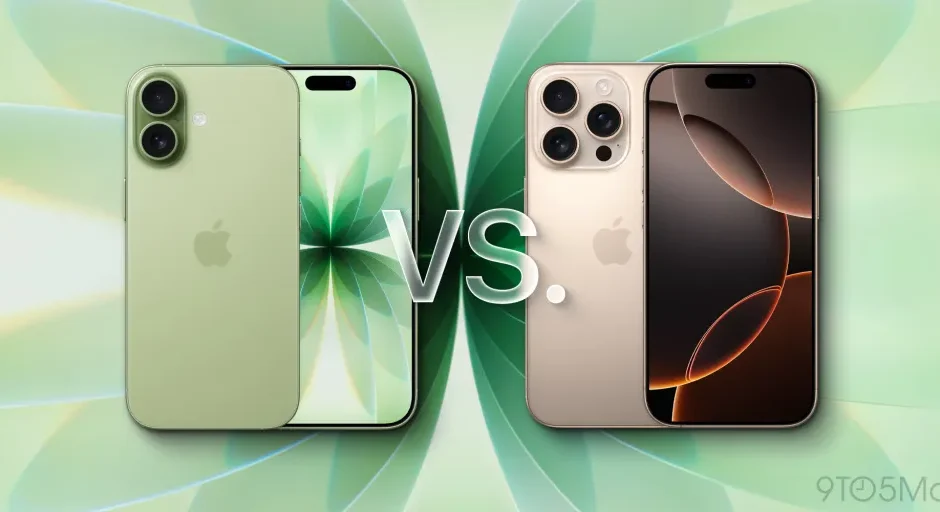
Apple has released the iPhone 17, and many existing iPhone 16 users are asking: is it worth upgrading? The latest version comes with a number of new features, from hardware to display to battery, but the improvements are mixed in terms of how noticeable or valuable they will be for different users.
This article lays out the key differences between iPhone 16 and iPhone 17, evaluates which upgrades are most significant, and helps decide who really benefits from making the switch.
Major Upgrades in iPhone 17
Here are the most important changes introduced in iPhone 17 compared to iPhone 16:
| Aspect | iPhone 16 | iPhone 17 Upgrade / Change |
|---|---|---|
| Display Size & Quality | 6.1-inch display (standard model) | 6.3-inch display; introduces ProMotion (up to 120Hz refresh) for smoother animations and responsiveness. |
| Brightness & Front Glass | ~2,000 nits outdoor peak; standard Ceramic Shield | Brighter outdoor peak (~3,000 nits); upgraded front glass (“Ceramic Shield 2”) with more scratch resistance. |
| Processor | A18 chip | New A19 chip — incremental improvements in performance. |
| Camera System | 12 MP front camera; 12 MP ultra wide; dual-lens setup | Major camera enhancements: 18 MP front cam, upgraded ultra wide to 48 MP, better front camera video stabilization, new features like “tap to zoom on front camera” and “center stage”-style framing. |
| Battery Life | Up to ~22 hours (video playback or similar metric) | Up to ~30 hours: a noticeable increase. |
| Charging & Connectivity | 50% charge in 30 minutes (with 20W or higher adapter) | Faster charging: 50% in 30 minutes using a 40W adapter; connectivity improvements (e.g. newer Bluetooth / Wi-Fi standards). |
| Design / Colors | Standard colors; physical SIM + eSIM in many regions | New color options; more widespread eSIM-only availability in some regions; some smaller design touches. |
Which Upgrades Are Significant?
Not all upgrades will be equally important to every user. Below are the features that tend to matter most in practice:
- Display & Refresh Rate: The jump to a ProMotion 120Hz screen in a non-Pro model improves user experience (smooth scrolling, better animations), especially for users who frequently use the phone for video, gaming, or just navigating UI.
- Camera Improvements: If you take a lot of selfies or video calls, the upgraded front camera with stabilization and “center stage”-style behavior is meaningful. The upgrade from a 12 MP ultra-wide to 48 MP also matters if you often shoot wide shots or low-light scenes.
- Battery Life: A higher battery life can be a game changer for users who push their devices — travel, long workdays, media consumption. The difference from ~22 to ~30 hours makes the phone more resilient on heavy usage days.
- Durability / Screen Quality: Better scratch resistance and brighter outdoor visibility are very helpful for real-world use, especially if you use the phone outdoors often or in harsh environments.
- Charging Speed: Faster charging with a higher watt adapter will matter to those who are frequently on the go and need quick top-ups.
Who Might Not Need to Upgrade
Even with all the enhancements, some users may feel the improvements are not enough to justify purchasing a new model yet:
- If your current device is the iPhone 16 and you are satisfied with its performance, screen quality, battery, and camera, the gains in iPhone 17 may feel incremental rather than transformational.
- Users who use their phones lightly (basic apps, occasional photos, not heavy gaming) may not feel much difference.
- If you’re budget-sensitive, the cost of buying a new phone plus accessories or adapters for faster charging may reduce the value proposition.
Pricing & Value Proposition
At its launch price (for example, in base model configurations), the iPhone 17 attempts to offer many features previously only on higher-end or “Pro” models. For consumers, the question is whether the added cost aligns with how much of those features they will actually use.
If you frequently use features like high refresh rate displays, high-quality video, and battery demanding tasks, then paying more may make sense. Otherwise, the newer model may not feel like enough of an upgrade.
Conclusion
The iPhone 17 introduces meaningful enhancements over iPhone 16: better display, much better camera options, longer battery life, faster charging, and improved durability. For many users, especially those coming from older models, it’s a strong upgrade.
However, for iPhone 16 users who are content with their current device, or for those who prioritize value and don’t use the highest performance or camera-intensive features often, the incentive to upgrade is modest.
If deciding whether to buy iPhone 17, consider how you use your phone daily: if the new display, camera features, and battery improvements align with your usage, then the switch makes sense. Otherwise, holding off until the next major leap might be a more cost-efficient strategy.