
Introduction
In September 2025, Israel launched a high-profile strike in Qatar aimed at eliminating top Hamas leaders. The attack, however, failed to achieve its objective and instead escalated diplomatic tensions. Rather than weakening Hamas, the strike backfired—undermining peace talks, straining Israel’s relations with allies, and fueling global criticism of Prime Minister Benjamin Netanyahu’s leadership.
The Failed Mission in Qatar
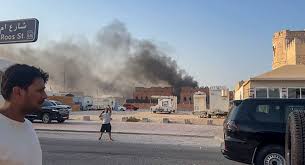
Israel’s goal was clear: to eliminate multiple Hamas leaders during a meeting discussing President Trump’s Gaza peace plan. But despite killing five Hamas members and a Qatari officer, the primary targets survived. Hamas negotiators immediately went underground, and Qatar, once a mediator in peace talks, suspended its involvement altogether.
Diplomatic Fallout
The attack not only derailed hostage negotiations but also sparked a wave of solidarity with Qatar. Arab and Muslim leaders convened an emergency summit in Doha, issuing strong condemnations of Israel. Western leaders also criticized the move, leaving Netanyahu politically isolated on the international stage.
Netanyahu’s Gamble and Isolation
Netanyahu defended the operation, framing it as a warning that Hamas leaders could not hide. Yet, insiders described him as increasingly reckless, portraying himself as a “regional bully.” His remarks about Israel becoming a “super Sparta” and the possibility of future arms embargoes spooked investors, leading to a plunge in the Tel Aviv stock exchange.
U.S. Reaction and Political Strains
The Trump administration was blindsided, learning of the strike only moments before it happened. While Netanyahu insisted Washington was informed, Trump’s team expressed frustration over the lack of coordination. U.S. officials advised Israel to take steps to repair the damage, but the diplomatic rift was already widening.
Global Repercussions
The strike coincided with the fifth anniversary of the Abraham Accords. Instead of celebrating potential new peace agreements, Arab nations hardened their stance against Israel. Leaders expressed skepticism about normalizing relations, warning that Netanyahu’s actions endangered existing peace treaties.
Conclusion
Israel’s failed Qatar strike highlights how aggressive tactics can undermine broader strategic goals. What was intended as a decisive blow against Hamas instead backfired, leaving Israel diplomatically isolated, damaging peace prospects, and sparking international condemnation. The incident underscores the growing risks of Netanyahu’s hardline approach and raises questions about Israel’s long-term regional strategy.
FAQs
1. Why did Israel strike in Qatar?
The strike aimed to eliminate top Hamas leaders in one decisive attack, hoping to weaken the group and push forward peace negotiations.
2. Did the strike succeed?
No. Although five Hamas members were killed, the key leaders survived, and peace talks collapsed.
3. How did Qatar react?
Qatar suspended its mediation role and rallied support from Arab and Muslim countries at an emergency summit.
4. What was the U.S. response?
The Trump administration expressed frustration at the lack of prior notice and advised Israel to repair the diplomatic fallout.
5. How did this affect the Abraham Accords?
The failed strike stalled efforts to expand peace agreements, with Arab leaders expressing skepticism about further normalization.
6. What are the economic consequences for Israel?
Netanyahu’s rhetoric and the international backlash led to a drop in the Tel Aviv stock exchange, reflecting investor uncertainty.