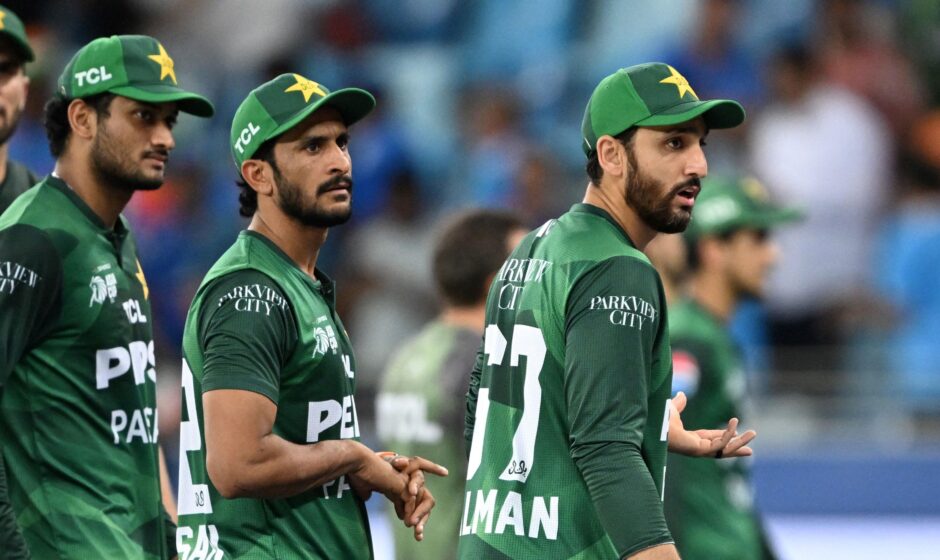

What Happened
- The Pakistan Cricket Board (PCB) responded with strong dissatisfaction after the toss in the recent Asia Cup match between Pakistan and India. According to reports, the match referee, Andy Pycroft, prevented the two captains from exchanging handshakes at the toss—a tradition long held in cricket.
- PCB has lodged a formal complaint against Pycroft, alleging that his decision violated not only customary practice but also the laws as defined by the Marylebone Cricket Club (MCC) and the broader spirit of cricket.
- Beyond that, PCB claims there was external interference: they assert that the directive to disallow the handshake came from the Indian Board (BCCI) or from Indian authorities. Initially, tournament officials said the order came from BCCI; later it was clarified to originate from “Indian authorities.”
- PCB Chairman Mohsin Naqvi, who also holds the position of President of the Asian Cricket Council (ACC), has called for Andy Pycroft’s removal from the tournament. The PCB has said it may boycott its next match (against UAE) unless action is taken.
Why This Matters
Tradition vs Protocol
Cricket has long been steeped in traditions: handshakes at tosses, pre- and post-match courtesies, and formal recognition of gamesmanship beyond pure performance. PCB considers the handshake tradition at toss vital to the spirit of the game. Its removal touches emotions, ethics, and principles, not just formal rules.
Allegations of External Interference
Claiming that an action in a neutral match setting came from a government or board external to the official match management raises serious concerns. If true, it would imply improper influence on match proceedings, which undermines the integrity of the event.
Reputational Risk
Should PCB carry through with a boycott, the Asia Cup’s credibility could be harmed, both among fans and among stakeholders. A boycott by a major team risks undermining viewership, sponsorship, and the perception of fairness in the tournament.
Potential Outcomes
| Outcome | Likelihood | Impact |
|---|---|---|
| The officiating body or ICC removes or reprimands the match referee (Andy Pycroft) | Moderate to high, given PCB’s public demand and complaint | Could defuse the issue, restore trust among parties, and avoid escalation |
| PCB goes ahead and boycotts the next match | Possible, if no satisfactory response is received | Tournament schedule disrupted; loss of credibility; possible sanctions or repercussions from governing bodies |
| Negotiated compromise | Likely, since withdrawal is costly for all sides | Some agreement on protocol; possible formal apology or rule clarification |
| Escalation into legal or administrative review | Depends on evidence and response from ICC / ACC | Could set precedent; could cause long-term tensions between boards |
What It Means for Cricket in the Region
- Governance and Oversight: The incident highlights how critical transparent governance and oversight are in international cricket. Referee actions, directives, and accountability must be clear and fair.
- Traditions and Modernization: Cricket boards face tension between updating rules/practices (for security, politicized context, etc.) and preserving traditions that many consider foundational to the sport’s culture.
- Diplomacy and Sport: Whenever national governments or external authorities are alleged to influence match protocols, sport can become entangled with politics. That tends to complicate resolution, fan perception, and international relations within sport.
- Precedent: How this is handled might set a precedent. If PCB is seen to be given justice, it could fortify protocols protecting teams from external or political interference. If not, it might signal a slippery slope.
What to Watch Next
- Whether the ICC, ACC or other relevant bodies issue formal statements or decisions in response to PCB’s complaint.
- Whether Andy Pycroft is removed as referee, or whether an investigation confirms or rebuts the claims about external orders.
- How PCB responds if the demands are not met. Will they proceed with boycotting matches, or seek other remedies?
- Reactions from other boards, players, and fans—how the cricketing community frames the issue will help determine whether it remains a short-term controversy or becomes a longer-lasting rift.
Conclusion
The controversy over the handshake refusal at the toss and the accusations of external interference have thrust the Asia Cup into an uneasy limelight. Traditions, governance, and integrity are all being questioned. How the PCB, ICC, ACC and other authorities respond will matter not just for this tournament but for the trust fans place in cricket’s rules and customs.
A boycott would be a dramatic step, but one that underscores how seriously PCB views the issue. If resolved properly, this could serve as a moment to reinforce cricket’s roots in fair play and mutual respect.