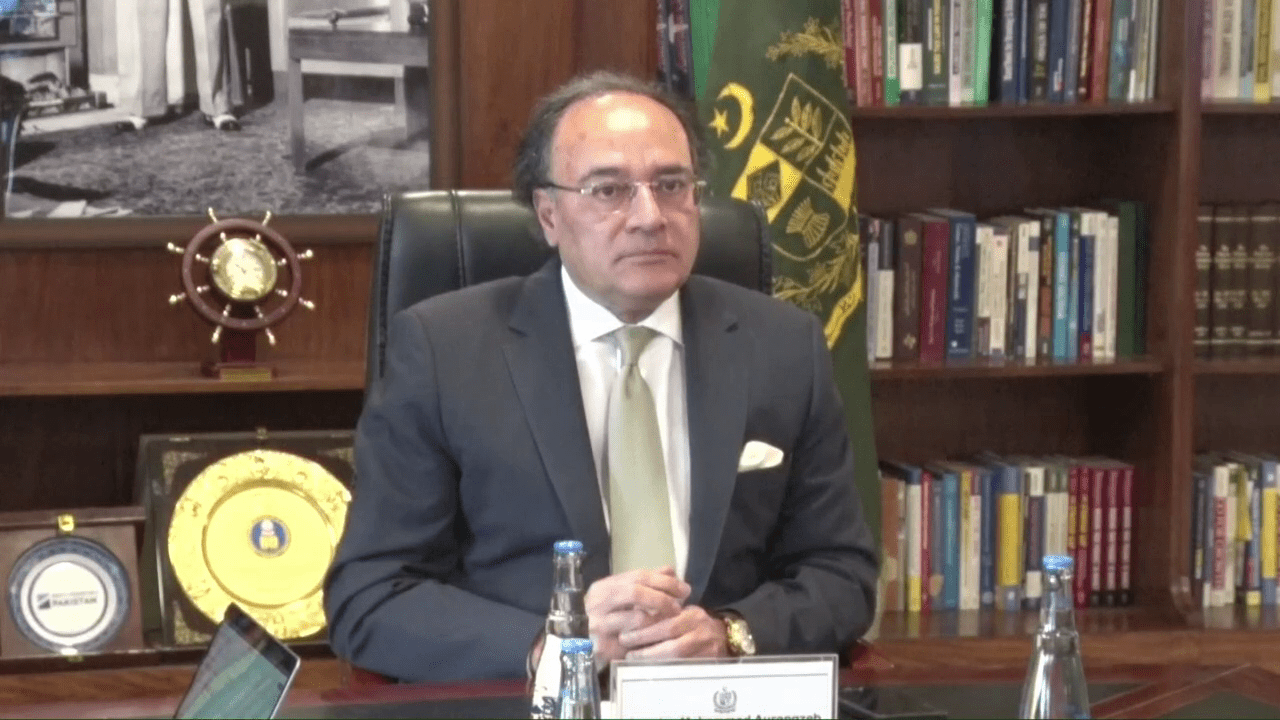

Pakistan has made headlines by securing a Rs1.2 trillion circular debt settlement deal, the biggest financing arrangement in its history. Announced by Finance Minister Muhammad Aurangzeb, this agreement with 18 major banks aims to resolve long-standing circular debt issues in the power sector and bring much-needed stability to the economy. But what does this actually mean for businesses, consumers, and Pakistan’s future? Let’s break it down.
Understanding Pakistan’s Circular Debt Problem
Circular debt refers to the mounting unpaid bills in the energy sector. When the government delays payments to Independent Power Producers (IPPs), the chain of unpaid dues stretches across suppliers, distributors, and fuel companies. Over time, this debt ballooned to Rs4.6 trillion, becoming one of Pakistan’s biggest economic headaches.
Key Highlights of the Rs1.2 Trillion Deal
This record-breaking agreement carries several important points:
- Largest Financing Ever: Signed with 18 banks, including National Bank of Pakistan, Habib Bank, and Meezan Bank.
- Consumer Surcharge: Power users will pay a Rs3.23 per unit surcharge over six years to support debt repayment.
- Debt Breakdown:
- Rs659 billion for Power Holding Ltd. liabilities.
- Rs556 billion for overdue payments to IPPs and the petroleum sector.
Government’s Stance on the Deal
- Finance Minister Aurangzeb: Hailed the agreement as a “win-win” for both the public and the government.
- Prime Minister Shehbaz Sharif: Called it a “huge success,” crediting Army Chief Syed Asim Munir for facilitating talks.
- Power Minister Awais Leghari: Praised it as a “bold step” toward long-term energy sector recovery.
Why This Deal Matters for Pakistan’s Economy
- Boosting Investor Confidence – International and local lenders are reassured by a structured repayment plan.
- Injecting Liquidity – Release of Rs660 billion in sovereign guarantees will free funds for priority sectors like agriculture, SMEs, housing, education, and healthcare.
- Setting the Stage for Reforms – The government is planning privatization of power distribution companies and stronger measures against power theft.
Challenges That Still Remain
While the deal is a significant milestone, challenges are far from over:
- Persistent Power Theft: Bill recovery remains weak in several regions.
- Rising Tariffs: Consumers face higher power bills due to the surcharge.
- Structural Inefficiencies: Without governance reforms, circular debt could return.
What This Means for Consumers
Consumers will directly feel the impact through a Rs3.23 per unit surcharge spread across six years. While this may raise monthly electricity bills, the government argues it is a necessary trade-off to ensure reliable power supply and restore the economy.
Future Outlook of Pakistan’s Power Sector
The government hopes this deal will serve as a stepping stone for:
- Privatization of distribution companies (DISCOs).
- Investment in renewable energy projects.
- Reduced fiscal burden from subsidies.
- Improved energy governance and accountability.
If implemented effectively, these measures could prevent Pakistan from falling back into another debt spiral.
Frequently Asked Questions (FAQs)
1. What is circular debt in Pakistan?
It is the unpaid chain of dues in the power sector caused by delayed government payments to power producers.
2. How big is Pakistan’s circular debt right now?
As of 2024, it has reached over Rs4.6 trillion.
3. How will this Rs1.2 trillion deal affect electricity bills?
Consumers will pay an additional Rs3.23 per unit surcharge for six years.
4. Why is this deal historic?
It is Pakistan’s largest-ever financing agreement, involving 18 banks and covering over Rs1.2 trillion.
5. Which sectors will benefit from the liquidity release?
Agriculture, SMEs, housing, healthcare, and education.
6. Will this solve Pakistan’s power crisis permanently?
No. It offers temporary relief, but structural reforms are still required.
Conclusion
The Rs1.2 trillion circular debt settlement is undoubtedly a landmark achievement for Pakistan, offering temporary relief to its fragile power sector and unlocking liquidity for critical industries. However, unless deeper reforms are carried out—such as reducing theft, improving governance, and restructuring subsidies—the cycle of debt could return.