
Introduction
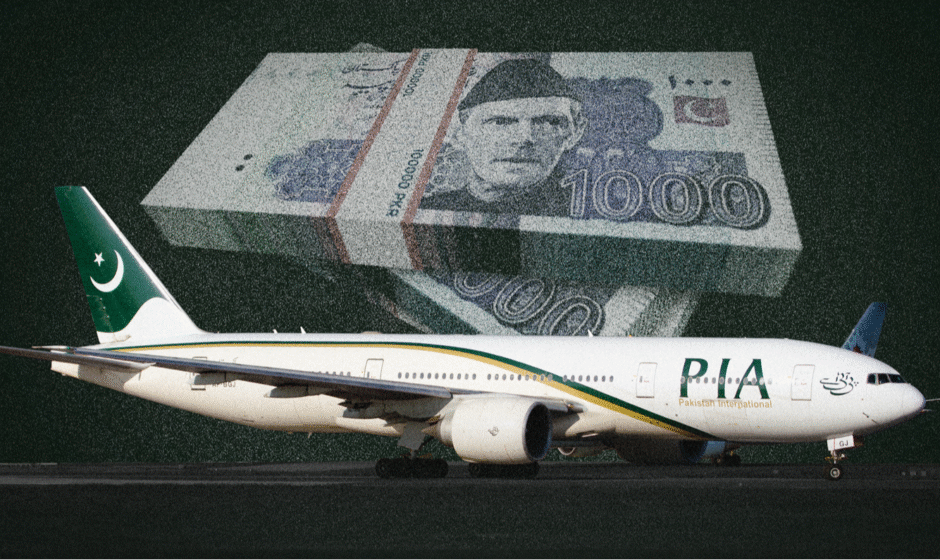
In a startling revelation from the Auditor General of Pakistan (AGP)’s 2024-25 consolidated audit report, Pakistan International Airlines Corporation Limited (PIACL) has been found to have incurred colossal revenue losses of Rs 9 billion between 2011 and 2016. The losses stem from issuing free tickets and deeply discounted fare concessions without sufficient oversight or approval. This discovery raises serious concerns about financial discipline, governance, and policy compliance within the national carrier.
What Happened? Key Findings
- Between 2011-2016, PIA issued 190,724 discounted tickets, with discounts ranging from 25% up to 95%.
- A major chunk—116,273 discounted tickets—were given at a 95% discount to non-employee passengers, both on domestic and international routes. These passengers paid only 5% of regular fare.
- Separately, during the same period, PIA allowed 258,990 passengers to travel completely free of cost.
- The breakdown of the losses:
- ~Rs 3.5 billion lost from discounted tickets.
- ~Rs 5.55 billion lost from free tickets.
- Crucially, many of these fare concessions were granted without formal approval from the Chairman or Managing Director. This bypassed established internal controls.
Why This is Concerning
- Erosion of Revenue Streams
When an airline grants large numbers of free or nearly free tickets, it undercuts its ability to cover fixed operational costs—fuel, staff, maintenance, fleet leases, etc. - Governance & Accountability Lapses
The audit flagged weak internal controls. Lack of approvals suggests misuse of discretionary powers. PIA management did not follow appropriate procedures. - Sustainability Risks
Over time, such practices can contribute significantly to accumulated losses, making it harder for the airline to turn around financially. This is especially relevant since PIA has been trying under various constraints to cut losses and improve performance. - Public Trust & Policy Integrity
As a public enterprise, PIA is expected to follow rules. Lapses undermine trust of the government, taxpayers, employees, and passengers. It also sets a poor precedent for how state-owned enterprises should be managed.
Broader Context
- PIA has recently posted a pre-tax profit of Rs 11.5 billion in the first half of 2025, marking its first such positive result in many years.
- But this profit comes after significant government interventions, such as taking on legacy debt, restructuring, and attempting to privatise parts of the airline.
- While current profits are welcome, the old revenue losses (such as those due to misuse of discounts/free tickets) still weigh on the financial position of the airline and may limit its ability for sustained growth.
Suggestions for Reform
To prevent similar losses going forward, the following could help:
| Reform / Action | Purpose / Benefit |
|---|---|
| Stricter enforcement of fare concession policies | Ensure that discounts/free tickets are only given under well-defined criteria, and only after approvals from top management. |
| Transparent reporting of free & discounted ticket usage | Regular internal & external audits, disclosure of number of tickets, recipients, discount levels. |
| Tighter internal controls & accountability | Define who can approve concessions, monitor after-the-fact, impose penalties for misuse. |
| Cost-benefit assessments for discount schemes | Only approve discounts if they bring strategic value (e.g. loyalty, partnerships) and do not harm profitability. |
| Regular oversight by Board / Government | Being a state-owned entity, PIA should be more accountable to regulatory oversight to align with public interest. |
Conclusion
The AGP’s findings are a wake-up call for PIA and the government. While recent profits show promise, past practices—like issuing free or deeply discounted tickets without oversight—have caused massive financial damage. Reforming governance, improving transparency, and enforcing internal controls are essential if PIA is to build sustainable viability and rekindle public trust.