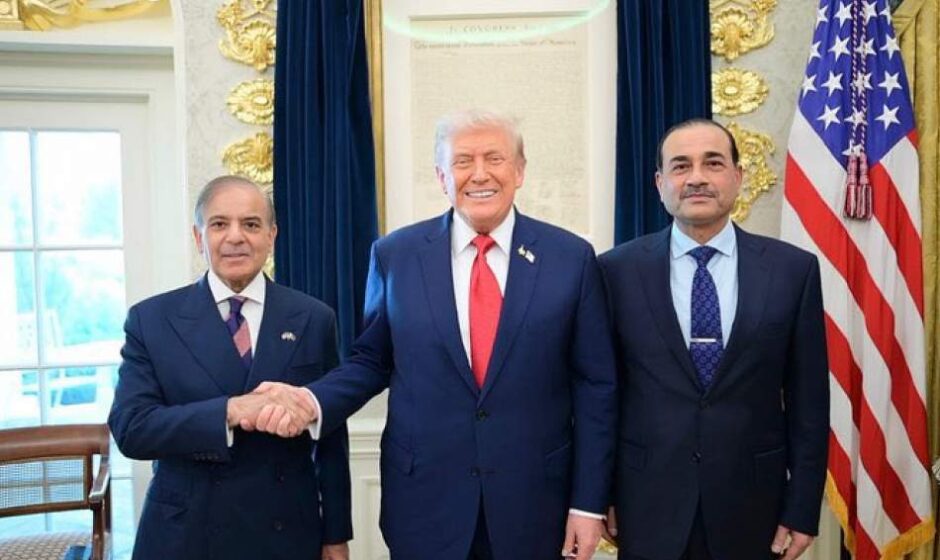

The Gaza conflict has long been one of the most pressing humanitarian and political issues in the world. For decades, countless peace initiatives have been proposed, yet lasting stability remains elusive. On 29 September 2025, Pakistan’s Prime Minister Shehbaz Sharif endorsed U.S. President Donald Trump’s 21-point plan to end the war in Gaza.
This development is significant because it highlights Pakistan’s role in Middle Eastern diplomacy, reflects its historical support for Palestine, and shows how Islamabad balances foreign policy with domestic priorities.
What PM Shehbaz Said
- Called the plan a “step toward durable peace.”
- Praised Trump’s leadership and envoys for drafting the proposal.
- Reaffirmed Pakistan’s position on a two-state solution.
- Suggested Trump’s role deserves Nobel Peace Prize consideration.
- Connected the Gaza conflict with regional tensions, including India’s policies.
- Highlighted Pakistan’s climate change and flood challenges, linking foreign policy with domestic concerns.
Why This Matters for Pakistan
- Global Visibility – Strengthens Pakistan’s voice as a supporter of Palestine.
- Soft Power – Reinforces solidarity with Muslim-majority causes.
- Risks of Criticism – May be seen as aligning too closely with U.S. policy.
- Domestic Politics – Ties foreign diplomacy with local issues like climate change.
- Diplomatic Leverage – Could help improve cooperation with Washington.
Challenges Ahead
- Implementation will be difficult without agreement from all sides.
- The plan could be criticized as biased.
- Domestic opposition may question the move.
- Regional actors skeptical of U.S. mediation may resist.
How Pakistan Can Help
- Push for clear enforcement mechanisms.
- Work with UN, Arab League, and OIC for wider acceptance.
- Ensure humanitarian access and aid delivery.
- Keep diplomacy balanced and inclusive.
- Communicate openly with citizens about Pakistan’s role.
FAQs
Q1: What is Trump’s 21-point Gaza plan?
A multi-step proposal that covers ceasefire terms, humanitarian aid, reconstruction, and progress toward a two-state solution.
Q2: Why did PM Shehbaz support it?
He believes it’s a step toward durable peace and aligns with Pakistan’s consistent support for Palestine.
Q3: Could this harm Pakistan’s position?
Yes. Critics may argue Pakistan is aligning too closely with U.S. policy or that the plan lacks feasibility.
Q4: How does this impact Pakistan’s global image?
It positions Pakistan as an advocate for Palestinian rights and regional peace.
Q5: Why link Gaza with floods in Pakistan?
Shehbaz highlighted that external conflicts and domestic crises like climate change are interconnected in shaping national stability.
Conclusion
Pakistan’s endorsement of Trump’s 21-point Gaza peace plan shows its intent to remain an active voice on global issues. While the move could bring diplomatic benefits, it also carries risks of criticism at home and abroad.
For lasting impact, Pakistan will need to push for balanced implementation, humanitarian safeguards, and multilateral engagement. If successful, this step could mark an important contribution not only to Middle Eastern peace but also to Pakistan’s broader role in international diplomacy.