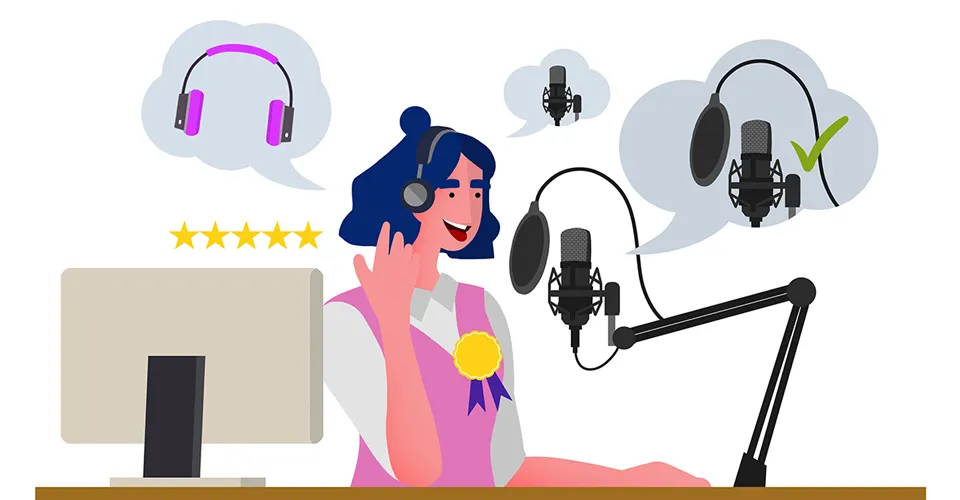

Podcasting has rapidly grown from a niche medium into a global phenomenon. In 2025, over 500 million people worldwide listen to podcasts regularly, making it one of the most powerful platforms for creators, businesses, and storytellers. Whether you want to share your expertise, build brand authority, or create engaging content, podcasting provides a unique opportunity to connect with a loyal audience.
This guide explores how to start your podcast, strategies to grow your audience, ways to monetise, and the latest podcasting trends shaping the industry.
Why Podcasting is Popular in 2025
- On-demand learning & entertainment: Audiences can listen anytime, anywhere.
- Low barrier to entry: Anyone with a microphone and internet connection can start.
- High engagement: Listeners spend more time on podcasts compared to other content.
- Business value: Companies use podcasts for branding, authority building, and lead generation.
How to Start a Podcast in 2025
- Choose Your Niche & Audience
Pick a topic you are passionate about and define your target audience. Popular niches include business, health, technology, self-improvement, and storytelling. - Plan Your Content
Decide on the format: interview, solo commentary, panel discussions, or storytelling. Create a content calendar for consistency. - Invest in Equipment
- Good microphone (USB or XLR)
- Headphones
- Audio editing software (Audacity, Adobe Audition, Descript)
- Record & Edit
Focus on clear audio, engaging delivery, and clean editing. Add intro/outro music for branding. - Publish & Distribute
Use hosting platforms like Buzzsprout, Podbean, or Spotify for Podcasters to publish episodes. Distribute to Spotify, Apple Podcasts, Google Podcasts, and Amazon Music. - Promote Your Podcast
Share on social media, collaborate with other podcasters, and optimize episode titles/descriptions for SEO.
Strategies to Grow Your Podcast Audience
- Consistency: Release episodes weekly or bi-weekly.
- Engage with listeners: Encourage reviews, comments, and listener questions.
- Leverage social media: Post short audio/video clips on TikTok, Instagram Reels, and YouTube Shorts.
- Collaborations: Invite popular guests and cross-promote with other podcasters.
- SEO optimization: Use relevant keywords in titles, descriptions, and show notes.
How to Monetize Your Podcast
- Sponsorships & Ads – Partner with brands targeting your audience.
- Premium Content – Offer ad-free episodes or bonus content via subscriptions.
- Merchandise – Sell branded products like T-shirts, mugs, or digital downloads.
- Courses & Coaching – Use podcasts as a funnel for paid services.
- Affiliate Marketing – Promote products and earn commissions.
Podcasting Trends in 2025
- AI-Powered Editing: Tools like Descript auto-remove filler words and improve sound quality.
- Video Podcasts: YouTube and TikTok are driving podcast discovery.
- Micro-podcasts: Short 5–10 minute episodes are gaining popularity.
- Interactive Podcasts: Listeners engage through polls, Q&A, and live streams.
- Multilingual Shows: Podcasts in local languages are seeing rapid growth.
FAQs About Podcasting
Q1. How much does it cost to start a podcast?
You can start with as little as $100–$200 for basic equipment. More professional setups may cost $500+.
Q2. Do I need professional editing skills to start a podcast?
No. Free tools like Audacity or AI-based tools like Descript make editing beginner-friendly.
Q3. How do podcasts make money?
Podcasters earn through sponsorships, ads, premium subscriptions, merchandise, affiliate marketing, and coaching services.
Q4. How often should I publish episodes?
Consistency matters more than frequency. Weekly or bi-weekly releases are ideal to keep listeners engaged.
Q5. What’s better — audio or video podcasts?
Both work well. Audio podcasts are convenient for on-the-go listening, while video podcasts help grow your reach on platforms like YouTube.
Q6. How long should a podcast episode be?
The sweet spot is 20–40 minutes, but it depends on your niche and audience preferences.
Conclusion
Podcasting in 2025 is not just about recording audio — it’s about building a brand, engaging an audience, and leveraging technology for growth. Whether you’re an individual creator or a business, podcasts offer endless opportunities to share stories, educate, and generate income.