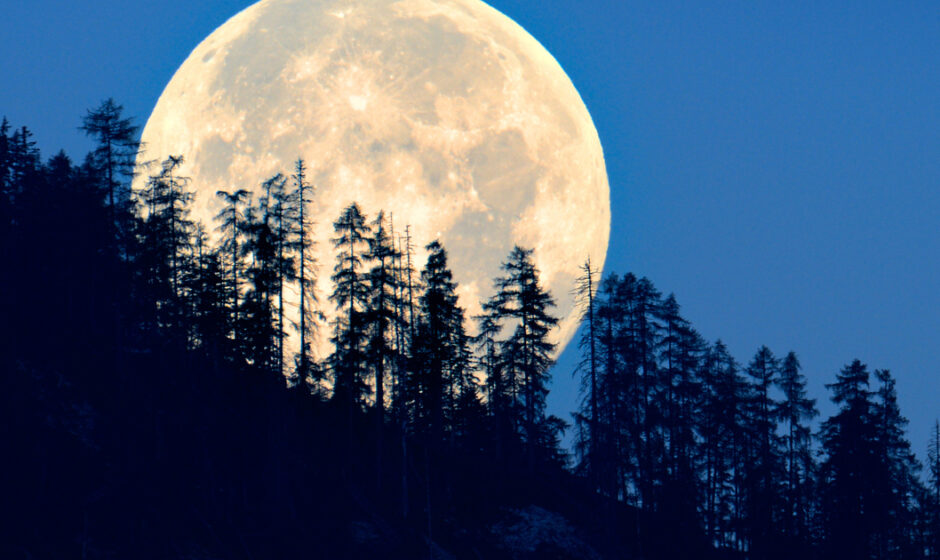

On October 7, 2025, stargazers around the world will be treated to a breathtaking celestial spectacle: the first supermoon of the year. During this event, the full moon will appear significantly larger and brighter than usual, becoming a striking feature of the night sky. The moon will be just 224,599 miles (≈ 361,500 km) from Earth — making it one of the closest full moons in recent months and a must-see event for astronomy enthusiasts.
In this blog post, we’ll explore what a supermoon is, why the October 7 event is special, when and how to watch it, and answer frequently asked questions to help you get the best viewing experience.
What Is a Supermoon?
A supermoon occurs when a full moon coincides with the moon’s closest approach to Earth (its perigee) in its elliptical orbit. As a result, the moon appears larger and brighter to observers on Earth.
Typically, there are 3 to 4 supermoons each year.
In the case of October 7, 2025, the moon is expected to appear about 14 % larger and 30 % brighter than a typical full moon.
Why October 7, 2025, Is a Special Supermoon
- Closest full moon since late 2024: At around 224,599 miles, this full moon will be among the closest in recent times, making it especially striking.
- Visibility around the globe: This supermoon won’t be limited to one region — observers across Pakistan and much of the world can catch it.
- Part of a series: In 2025, there will be more supermoons — on November 5 and December 5. Among them, the November event is expected to be the brightest of the year, with the moon even closer to Earth (≈ 221,817 miles).
- Enhanced visual effects: Around moonrise, the “moon illusion” (when the moon seems larger near the horizon) and atmospheric scattering can lend the moon a golden or orange hue, making the sight even more dramatic.
When & Where to View the October 7 Supermoon
| Location / Region | Best Viewing Time | Notes |
|---|---|---|
| Pakistan | After sunset towards night | Clear skies and minimal light pollution help |
| Eastern horizon | Moonrise time | The moon looks largest near the horizon due to optical tricks |
| Throughout the night | Until midnight or later | Though brightest near rise, the full moon is visible all night |
Because the full moon reaches its peak illumination late evening / early night, aim to be outdoors soon after sunset. Use open spots, elevated viewpoints, and minimal obstructions for best visibility.
Tips for Viewing & Photographing
- Scout the location early. Choose an area with an open view of the eastern horizon, away from tall buildings or trees.
- Check the weather. Clear skies are essential — cloudy or hazy skies may obscure the view.
- Arrive before moonrise. Get settled before moonrise to catch the dramatic initial appearance.
- Use your eyes first. Enjoy the sight with naked eyes — binoculars or telescopes can enhance details.
- Camera settings for lunar photography:
- Use a telephoto lens if available (200 mm or more)
- Low ISO (e.g. ISO 100–400)
- Aperture around f/8 to f/11
- Shutter speed — start around 1/125 sec and adjust as needed
- Use a tripod and remote shutter or timer
- Experiment during different phases of the night. The moon’s appearance changes slightly as it climbs higher in the sky.
Conclusion
The first supermoon of 2025 promises to be an unforgettable night sky event. With the moon appearing about 14 % larger and 30 % brighter than usual — and at its closest point to Earth in months — October 7 is a date for sky lovers everywhere to mark on their calendars. Whether you’re a casual observer, budding astrophotographer, or experienced astronomer, this spectacle offers a rare opportunity to connect with the cosmos.
Don’t miss it. Step outside, look east toward moonrise, and let the luminous moonlight remind you of the wonder above.
FAQs
Q1: What exactly makes a supermoon different from a regular full moon?
A supermoon occurs when the full moon is near or at its perigee (closest orbital point to Earth), making it appear slightly larger and brighter than average.
Q2: Will the moon actually look 14% larger to my eyes?
While the moon will be about 14 % larger in diameter and 30 % brighter compared to an average full moon, human perception and atmospheric effects also influence how big it “feels.” The “moon illusion” near the horizon can exaggerate its apparent size further.
Q3: Can I view the supermoon from anywhere in the world?
Yes — this event is global. As long as you have a clear view of the sky and minimal light pollution, you should be able to see it in your region.
Q4: When is the best time to photograph the supermoon?
Moonrise or shortly afterward typically gives dramatic colors and shapes. Use a tripod, telephoto lens, and experiment with exposure settings.
Q5: Will there be more supermoons in 2025?
Yes — in addition to October 7, supermoons will also occur on November 5 and December 5. The November supermoon is expected to be the brightest of the year.