
Introduction
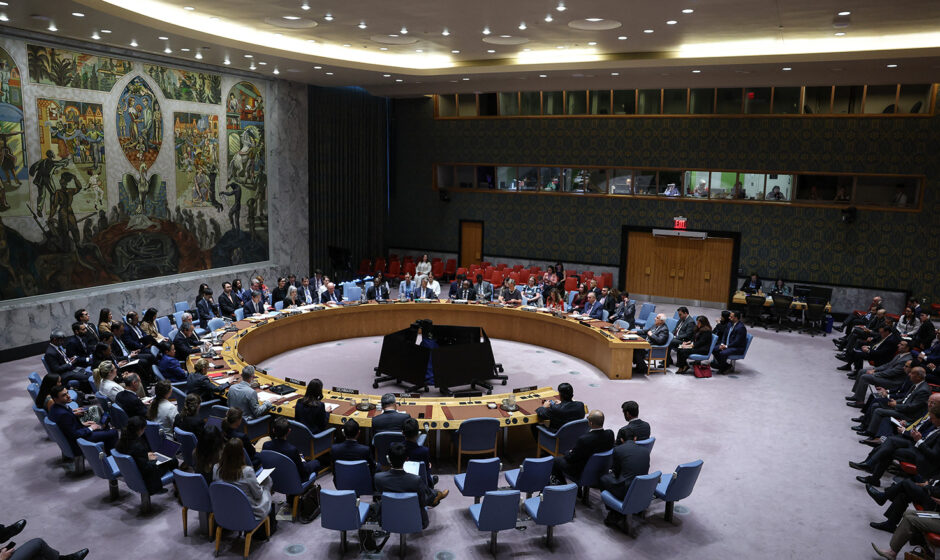
The United Nations Security Council has decided not to permanently lift sanctions on Iran, following a divided vote that revealed deep rifts among global powers. While sanctions remain in place, there’s still room for negotiation, with an eight-day window left for diplomacy before automatic sanctions are reimposed. This pivotal decision has far-reaching implications for nuclear non-proliferation, Middle East stability, and global diplomacy.
Key Highlights of the UN Vote
- Rejected Draft Resolution: The resolution to permanently lift sanctions on Iran failed to pass.
- Voting Split: Russia, China, Pakistan, and Algeria supported lifting sanctions; nine members opposed, while two abstained.
- Diplomatic Window: Britain, France, and Germany offered Iran up to a six-month delay on sanctions if Tehran complies with key conditions.
Iran’s Response: Diplomacy Under Pressure
Iran’s UN Ambassador Amir Saeid Iravani criticized the decision, warning that it “weakens diplomacy and risks dangerous consequences for non-proliferation.” Still, Iranian leaders remain open to dialogue, with Foreign Minister Abbas Araqchi set to meet European counterparts in New York during the UN General Assembly.
The European Offer: Conditions for Delay
Britain, France, and Germany proposed delaying the reimposition of sanctions if Iran:
- Restores access for UN nuclear inspectors.
- Addresses concerns over enriched uranium stockpiles.
- Engages in direct talks with the United States.
Without these conditions, European diplomats argue there’s no clear path toward a long-term diplomatic solution.
The U.S. Position: A Balancing Act
The United States voted against lifting sanctions but emphasized that it remains open to diplomacy. Acting U.S. Ambassador Dorothy Shea reiterated that sanctions “do not preclude later removal through diplomacy.” Washington’s stance reflects a cautious balance—maintaining pressure while leaving the door open for negotiations.
Global Reactions and Next Steps
- Russia and China: Strongly supported lifting sanctions, framing it as a step toward stability and fairness.
- European Powers: Advocating conditional engagement, urging Iran to take concrete steps.
- Iran’s Allies: Proposing a six-month extension to allow more time for negotiations.
If no agreement is reached by September 27, 2025, all UN sanctions will automatically be reimposed, raising the stakes for ongoing talks.
Why This Matters: Broader Implications
- Non-Proliferation Risks: The failure to find consensus could undermine global efforts to prevent nuclear weapons development.
- Middle East Stability: Heightened tensions could ripple across the region, affecting security and energy markets.
- Diplomatic Precedent: The outcome will shape how future disputes over international agreements are handled.
Frequently Asked Questions (FAQs)
1. Why did the UN Security Council reject lifting sanctions on Iran?
Because many members believe Iran hasn’t met its commitments under the 2015 nuclear deal, particularly regarding uranium enrichment and inspector access.
2. Which countries supported lifting sanctions?
Russia, China, Pakistan, and Algeria voted in favor of lifting the sanctions.
3. What conditions did Europe set for delaying sanctions?
Restoring UN inspector access, addressing enriched uranium concerns, and engaging in U.S. talks.
4. What is the “snapback” process?
It’s a 30-day mechanism that allows sanctions to be reimposed automatically if Iran is found in breach of its nuclear commitments.
5. How did the U.S. vote, and why?
The U.S. voted against lifting sanctions but stressed openness to diplomacy, signaling pressure with flexibility.
6. What happens if no deal is reached by September 27, 2025?
All UN sanctions will automatically return, potentially escalating tensions further.
Conclusion
The UN Security Council’s decision not to lift Iran sanctions underscores the fragile state of international diplomacy. With just days left to negotiate, the coming week could determine whether the world edges closer to renewed conflict or a fresh diplomatic breakthrough. The stakes are high—not only for Iran and world powers but also for the future of global nuclear stability.