
1. Introduction: A Sudden Shift in Deposits
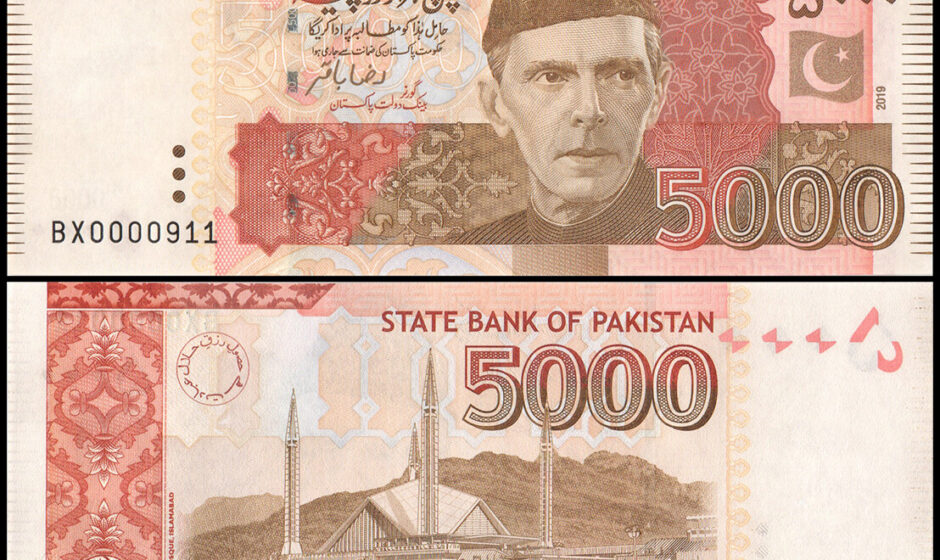
In just two months—July and August 2025—Pakistan’s banking sector saw something extraordinary. Depositors withdrew over Rs. 1 trillion from banks, a rare and significant move that has raised questions about confidence, financial policy, and the future of the economy.
2. The Numbers at a Glance
By the end of August 2025, bank deposits had fallen to Rs. 34.46 trillion, compared to Rs. 35.49 trillion at the close of June. This means people pulled out Rs. 1.035 trillion in only two months. Such a massive outflow shows how quickly depositors can react to changing conditions.
3. Why Are People Withdrawing Money?
Several key reasons explain this sharp decline:
3.1 Drop in Interest Rates
The central bank reduced its policy rate to 11%, a major cut from previous highs. With lower returns, savings accounts became less attractive, pushing depositors to seek higher profits elsewhere.
3.2 Tax Enforcement and Non-Filer Crackdown
The Federal Board of Revenue (FBR) has increased pressure on non-filers, even warning of account freezes. This scared many people into moving their money out of banks.
3.3 Shift Toward Alternative Investments
Instead of leaving their savings in banks, depositors are investing in stocks, gold, and real estate, which are currently seen as more rewarding.
4. Impact on the Banking Sector
4.1 Liquidity Pressure
Banks rely heavily on deposits for lending and daily operations. Losing Rs. 1 trillion in such a short time creates liquidity challenges.
4.2 Profitability Concerns
With fewer deposits, banks face higher costs to borrow funds. This may affect their profits and force them to raise lending rates.
5. How This Affects the Economy
5.1 Expensive Loans
If banks have less money to lend, borrowing costs for businesses and individuals could rise, slowing economic growth.
5.2 Confidence Issues
Large withdrawals can shake public trust. If people believe banks are unstable, even more withdrawals may follow, creating a cycle of fear.
6. Where Is the Money Going?
6.1 Stock Market
Investors see opportunities for higher returns in equities compared to bank deposits.
6.2 Gold and Commodities
Gold has always been a safe haven, especially when financial uncertainty rises.
6.3 Real Estate
Many depositors prefer real estate as a long-term investment, considering it more stable than banks.
7. What Can Banks and Regulators Do?
- Adjust Interest Rates: The central bank could review its policy to make deposits attractive again.
- Offer Incentives: Banks can create higher-yield accounts or special deposit schemes.
- Boost Confidence: Clear communication and assurances about deposit safety are crucial to calm fears.
8. Risks Going Forward
- Volatility in Alternatives: Stocks and gold can be risky. People may not get the returns they expect.
- Possible Panic: If withdrawals continue, weaker banks may face solvency concerns.
- Economic Instability: Reduced deposits mean less lending, which can slow growth.
9. Conclusion
The withdrawal of over Rs. 1 trillion in just two months shows how quickly depositors react to interest rate changes, tax policies, and investment opportunities. For now, the money is flowing into stocks, gold, and real estate, but the long-term impact depends on how regulators and banks respond. Restoring confidence and offering better returns will be critical to bringing deposits back into the banking system.
FAQs
Q1: Why did people withdraw Rs. 1 trillion from banks?
Mainly because of lower interest rates, tax pressure, and the search for better returns in other investments.
Q2: Is money safe in Pakistani banks?
Yes, banks are regulated, but confidence issues can make depositors nervous.
Q3: Will interest rates go up again?
It’s possible if withdrawals continue and the central bank sees risks to stability.
Q4: What are people investing in instead of banks?
Stocks, gold, and real estate are the top choices right now.
Q5: How does this affect businesses?
With fewer deposits, banks may raise lending rates, making borrowing more expensive for businesses.
Q6: Could this lead to bank failures?
Unlikely in the short term, but continued withdrawals could stress weaker banks.